

Highlights of the latest Marker Research release on USD.
Full research available here.

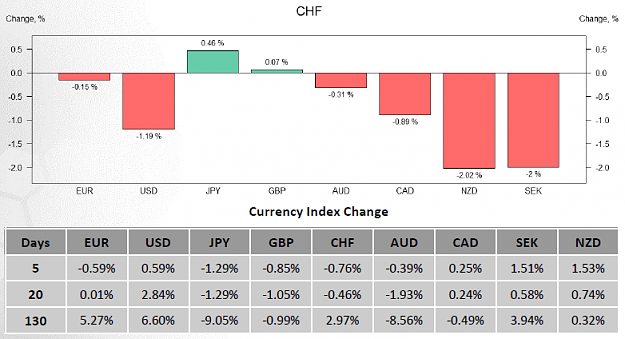
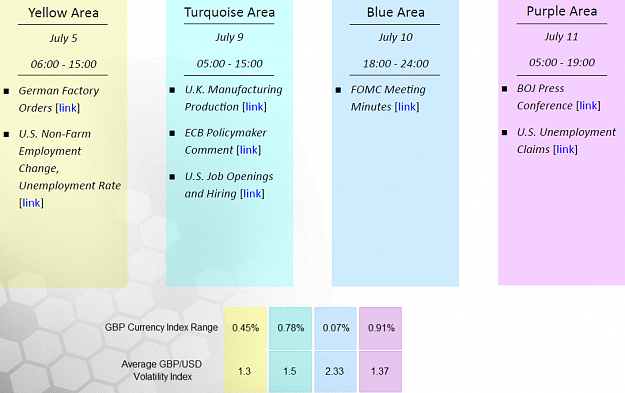
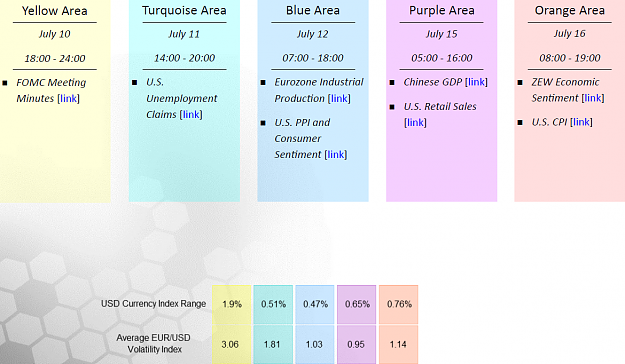
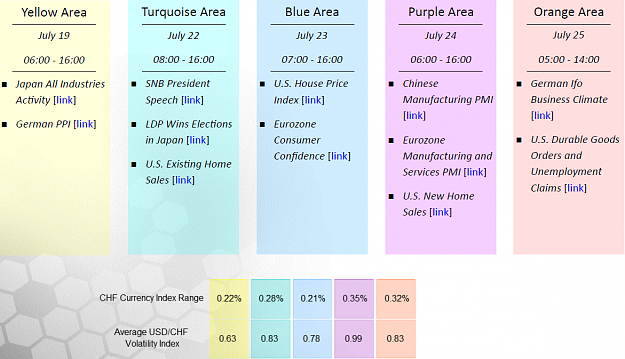
Performance of the U.S. Dollar over the past five days is a good example how significant such events as FOMC meeting may be given certain conditions. Speculation on the still largely unanswered question regarding the currently running asset purchase programme has been completely dominating movements of the U.S. Dollar and, considering the importance of the currency in the Forex market, led to a spill-over effect, defining exchange rates in many of its crosses. This becomes particularly evident when looking at the news that have been published lately.

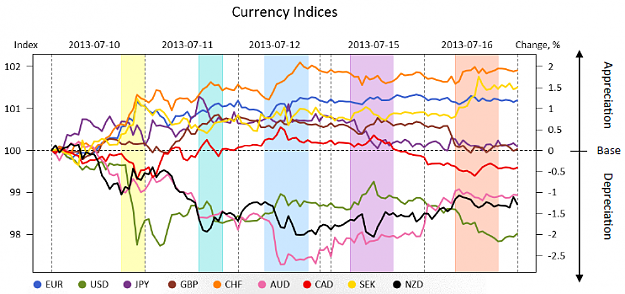
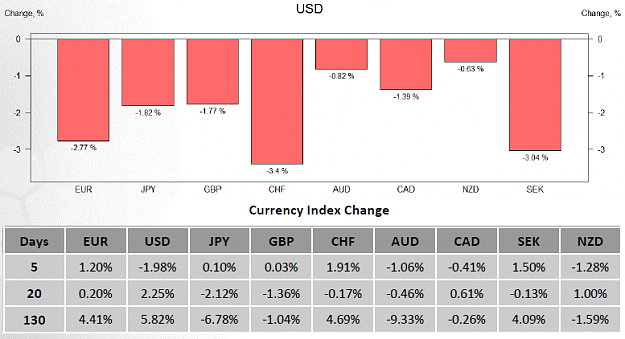
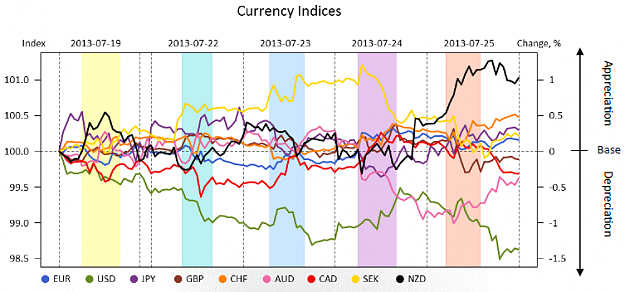
We must admit that some of the recent events were negative for the U.S. Dollar. These would be the reports on consumer sentiment and industrial production. However, one of the key statistics with respect to Fed’s final decision, namely unemployment claims, overshoot expectations by a wide margin, but also some of the other, specifically retail sales, should have increased the valuation of the greenback. Nevertheless, the result was quite the opposite—the buck lost 0.45% for the period June 12-18, while the lowest point of its index—99, was recorded last Friday. In the long run the U.S. Dollar stays in the up-trend, having advanced 4.1%, despite the 1.9% loss within a month.

Full research available here.
Attached Image (click to enlarge)
Performance of the U.S. Dollar over the past five days is a good example how significant such events as FOMC meeting may be given certain conditions. Speculation on the still largely unanswered question regarding the currently running asset purchase programme has been completely dominating movements of the U.S. Dollar and, considering the importance of the currency in the Forex market, led to a spill-over effect, defining exchange rates in many of its crosses. This becomes particularly evident when looking at the news that have been published lately.
Attached Image (click to enlarge)
We must admit that some of the recent events were negative for the U.S. Dollar. These would be the reports on consumer sentiment and industrial production. However, one of the key statistics with respect to Fed’s final decision, namely unemployment claims, overshoot expectations by a wide margin, but also some of the other, specifically retail sales, should have increased the valuation of the greenback. Nevertheless, the result was quite the opposite—the buck lost 0.45% for the period June 12-18, while the lowest point of its index—99, was recorded last Friday. In the long run the U.S. Dollar stays in the up-trend, having advanced 4.1%, despite the 1.9% loss within a month.
Attached Image (click to enlarge)