

Full research is available here.
Highlights of the latest Market Research on EUR:

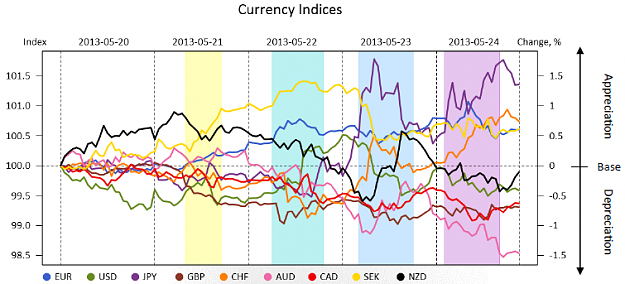
Overall the past week favoured broad strengthening of the single European currency. Many of the economic reports published lately on the Eurozone and other regions as well have been positive (U.S. unemployment claims), bringing the optimism and risk-on sentiment back to the market. These were mainly German factory orders and manufacturing production, which gave impetus for more market participants to bet on appreciation of the Euro, which became a more attractive investment tool.

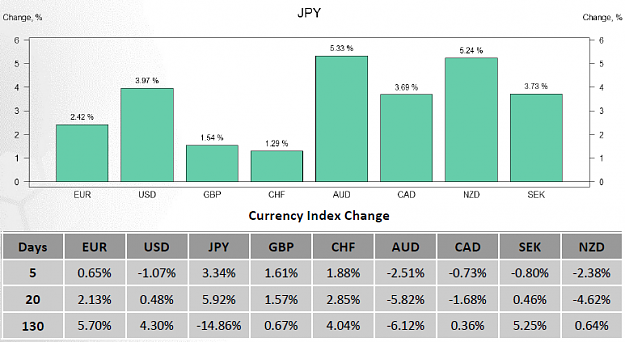
Moreover, concurrent debasements of Australasian currencies, namely AUD and NZD, have also played a notable role in the 0.65% rally of the Euro’s currency index. While the demand for Australian Dollar was dampened amid the rate cut by the Reserve Bank of Australia on May 7, price for its New Zealand counterpart was lowered as a result of RBNZ’s intervention, being that the central back deems current exchange rates as overinflated and is seeking ways to curb strength of the national currency. However, the gains could have been greater, since the market remains wary of possible rate cuts by the ECB, which has already decided to put more effort into promoting growth with the decision on May 6 to make loans more accessible.

Highlights of the latest Market Research on EUR:
Attached Image (click to enlarge)
Overall the past week favoured broad strengthening of the single European currency. Many of the economic reports published lately on the Eurozone and other regions as well have been positive (U.S. unemployment claims), bringing the optimism and risk-on sentiment back to the market. These were mainly German factory orders and manufacturing production, which gave impetus for more market participants to bet on appreciation of the Euro, which became a more attractive investment tool.
Attached Image (click to enlarge)
Moreover, concurrent debasements of Australasian currencies, namely AUD and NZD, have also played a notable role in the 0.65% rally of the Euro’s currency index. While the demand for Australian Dollar was dampened amid the rate cut by the Reserve Bank of Australia on May 7, price for its New Zealand counterpart was lowered as a result of RBNZ’s intervention, being that the central back deems current exchange rates as overinflated and is seeking ways to curb strength of the national currency. However, the gains could have been greater, since the market remains wary of possible rate cuts by the ECB, which has already decided to put more effort into promoting growth with the decision on May 6 to make loans more accessible.
Attached Image (click to enlarge)