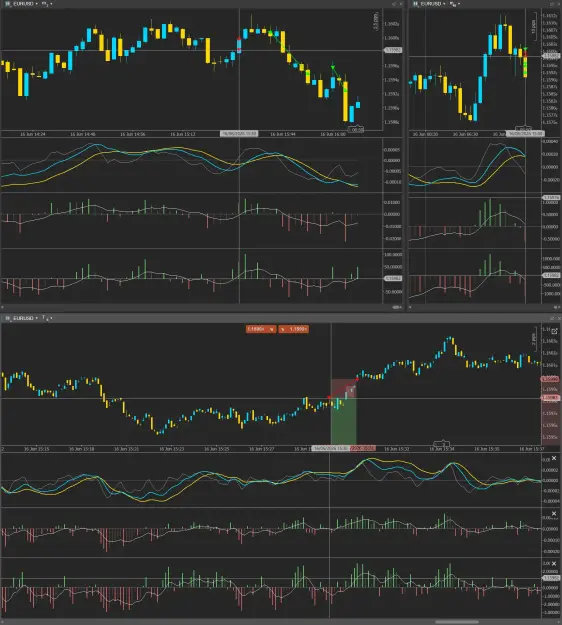
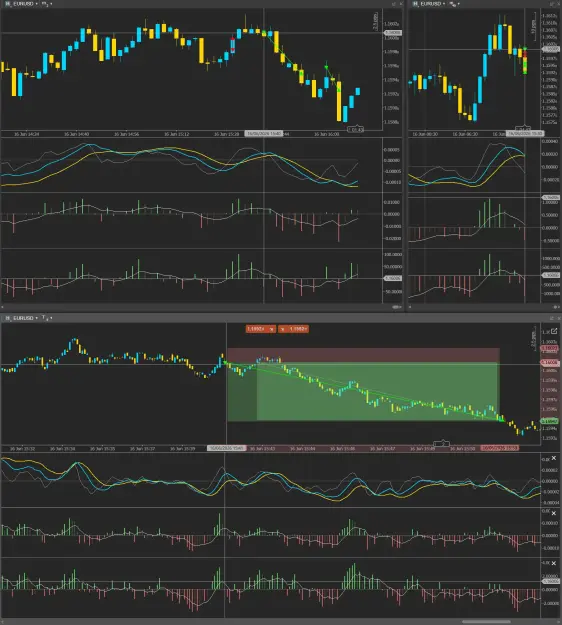
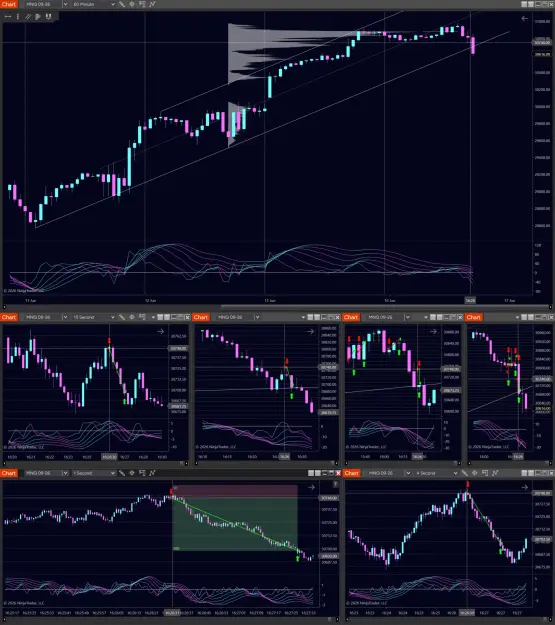
The major update in the second half of the month was the shift to a 1:4 RRR and tighter stops, which appears to be the sweet spot for Nasdaq and my approach.
In this context, I returned to faster, tick-based timeframes, this time with alargerdifference (16X) between them. This adjustment allowed for more trades, which, combined with the 1:4 RRR, resulted in quite impressive daily gains. I plan to continue with this setup to see if its sustainable.
Average duration of a trading session: 1–2 hours.
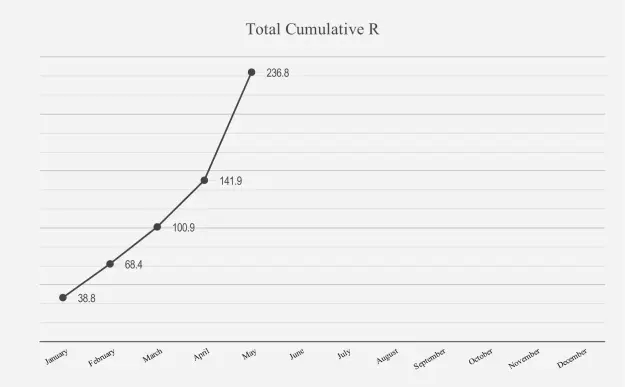
Rough benchmark (with 1% of total risk capital per trade): Alpha = 94.9% − 4.84%* = 90%**
* S&P / broader market performance in May
** Excluding fees and commissions
Great R breakdowns. Curious to hear more about your multi-timeframe analysis process. I do M->W->D->65m personally. What is your process and what do you look for on the higher timeframes?
On a higher timeframe I look at the strength and direction of momentum within which I try to find positions on lower timeframes by waiting for the strength and direction of momentum there to align with the higher timeframe. I hope that answers your question.
7 losses in a row, but I managed to recover, no crazy stunts, just sticking to the system and 1:4 RRR. I switched timeframes a couple of times. Interestingly, if I had strictly followed what the HTF MACD's were telling me, it would have been a completely different story. I’m not even sure how I got to the point where I stopped respecting that. I guess trading is a skill. It takes time. And mistakes. Lots of mistakes.


 +5.8R
+5.8R 





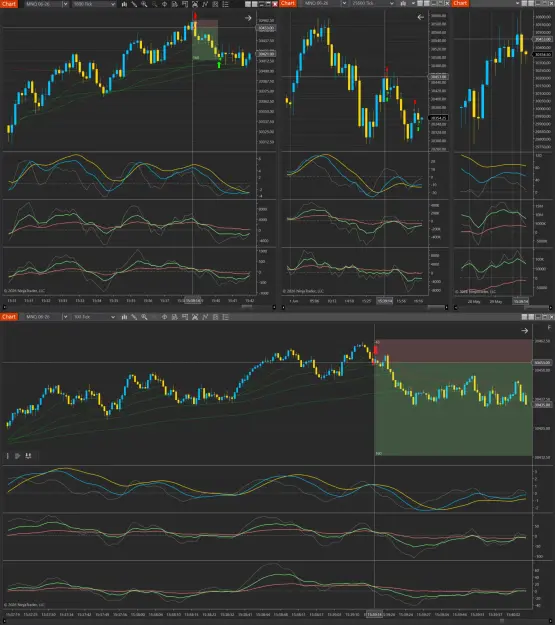


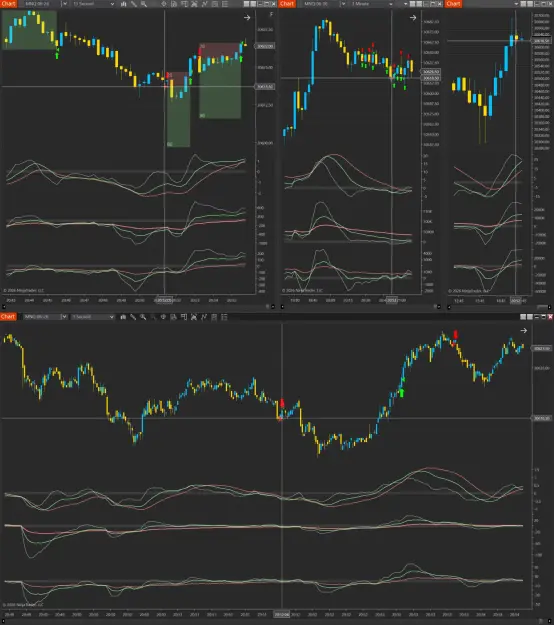


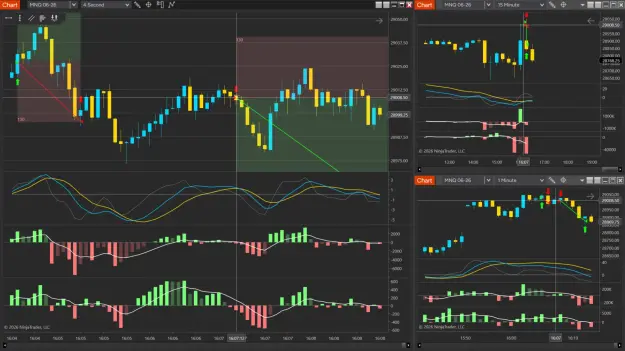
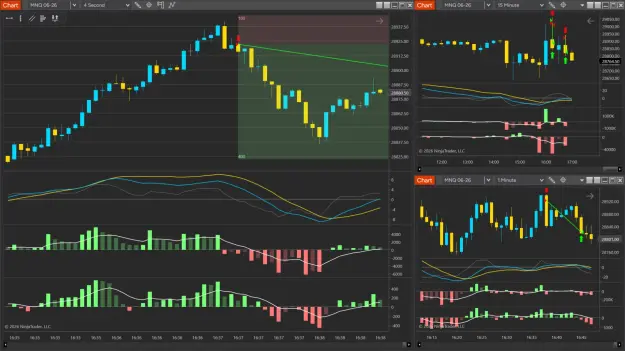
 EURUSD, +10R: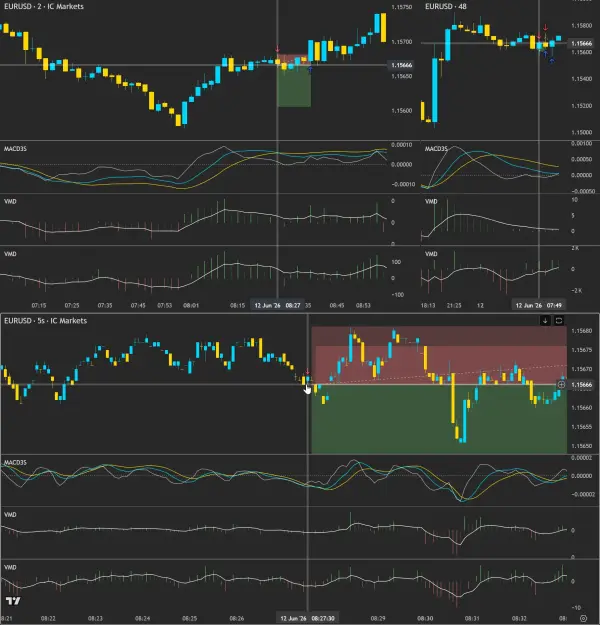


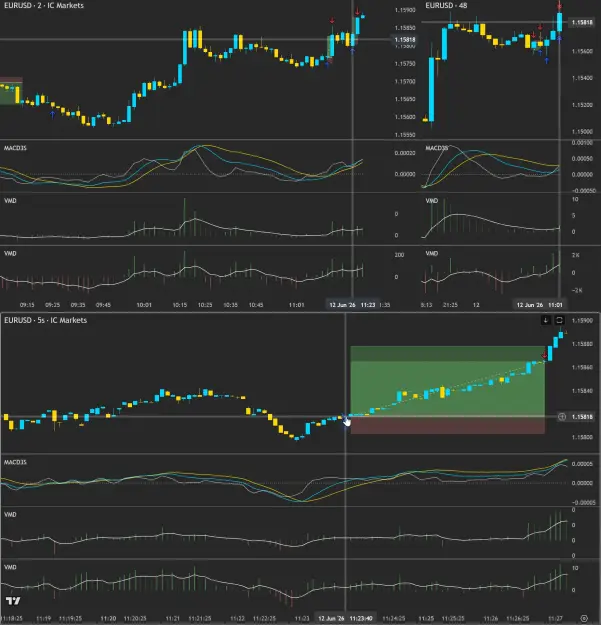
 MNQ, +3R: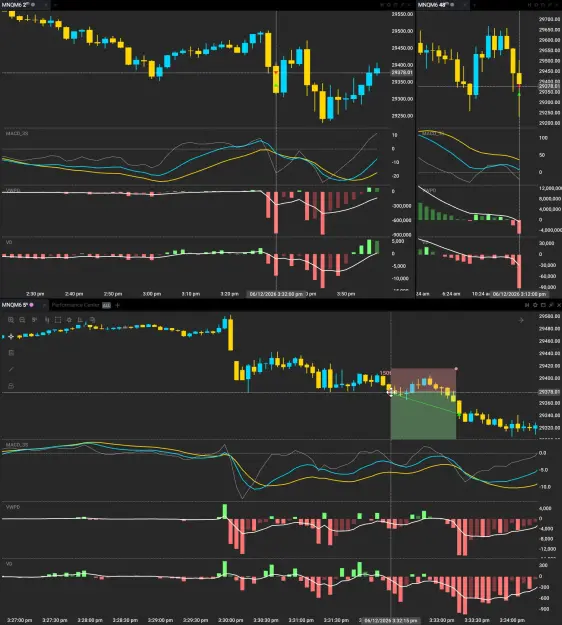

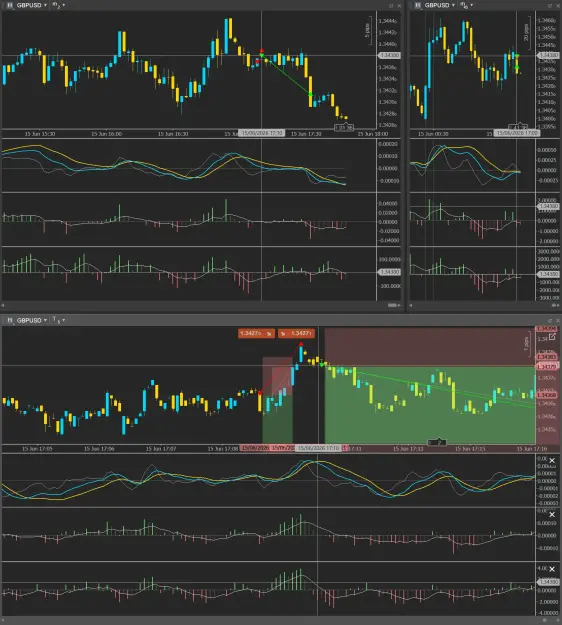

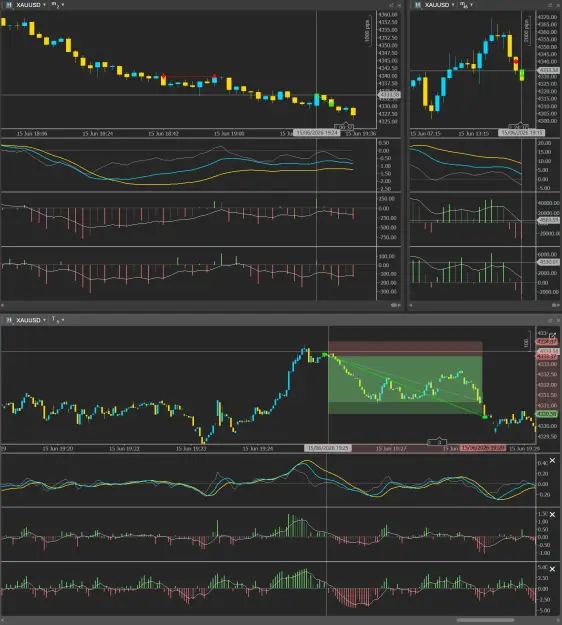
 +4R (DEMO)