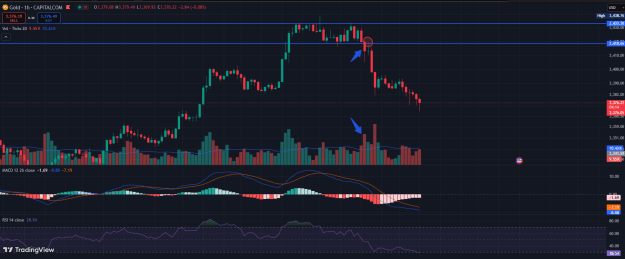


Excellent point — “80% of breakouts fail” is one of those trading clichés that gets parroted across forums without anyone specifying where, when, or why. Here’s the nuanced reality behind that oversimplified claim:
 What “Breakout Failure” Actually Means
In trading lingo, a breakout failure usually refers to:
- False breakout: Price breaks support/resistance but quickly reverses.
- Trap breakout: Big players trigger moves to lure retail traders before flipping the market.
But how often it fails depends on context—not some universal failure rate.
 Contextual Factors That Skew the “80%” Claim
Variable Why It Matters
Time Frame: Lower time frames (M1–M15) have higher noise → more false breakouts
Instrument Type: Currencies, commodities, indices react differently due to liquidity & structure
Market Conditions: Trending vs ranging environments massively affect breakout success
Volume & Catalyst: Breakouts with low volume or no news event tend to be weaker
Session Timing: Breakouts around major sessions (London/NY overlap) are more likely to hold
 Where the 80% Myth Comes From
- It’s often a warning in forums to avoid blindly chasing breakouts—especially on lower time frames like M5 or M15.
- Traders like Peter Brandt and others have used similar stats to highlight how fake outs are common in retail-dominated patterns (e.g. flags, wedges).
In fact, some forum users prefer breakout failures as a strategy—entering on the retest or reversal.
 What They're Really Saying (If You Read Between the Lines)
“Don’t assume every breakout will run. Confirm with volume, structure, and context—or be ready to trade the other side.”


 .
.